Brentwood Loft Insulation Top-Ups
Upgrade Your Existing Loft Insulation to Modern 270mm Standards Without Full Removal
Cost-Effective • Efficient • Long-Term Thermal Improvement
BOOK A LOFT INSULATION ASSESSMENT
Upgrade Your Existing Loft Insulation to Modern 270mm Standards Without Full Removal
Cost-Effective • Efficient • Long-Term Thermal Improvement
BOOK A LOFT INSULATION ASSESSMENTMany Brentwood homes already have loft insulation installed — but not enough of it, some fall short of the 270mm recommended depth. Across CM13, CM14 and CM15 there's many properties that fall into this category, especially those homeowners who's properties loft insulation was insulated years ago when standards were lower.
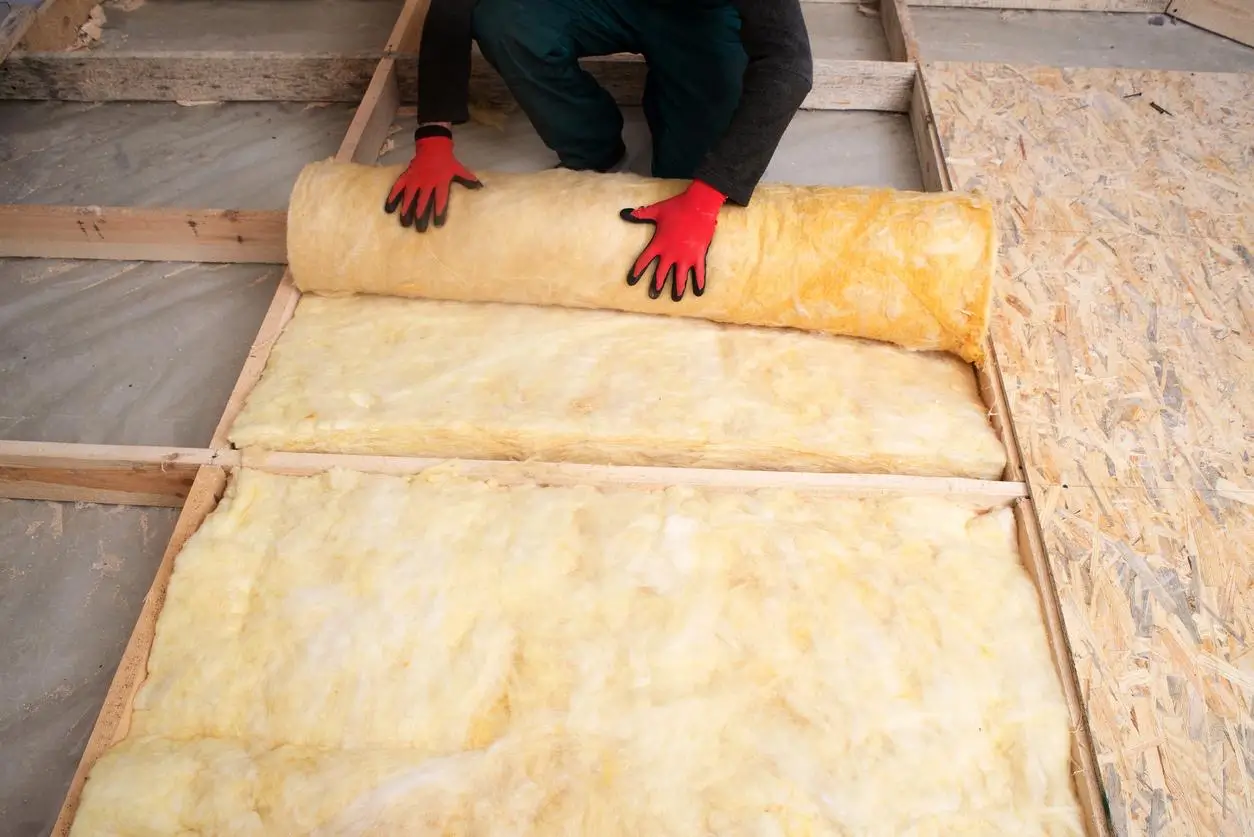
A loft insulation top-up allows us to build on what’s already there, increasing thermal depth and performance meaning you won't need a full loft insulation fitting, so you can reap the great rewards that come from having properly installed insulation in your attic without the cost of a full removal and reinstall. It’s a practical upgrade designed to reduce heat escaping whilst keeping disruption minimal.
If your current insulation is clean, dry and structurally sound but under-depth, a top-up could dramatically improve your overall energy efficiency at a lower investment than a full removal loft insulation installation.
If your attic currently has Loft insulation fitted but it's damaged or wet, you can check our full loft insulation installation page here: View Full Loft Insulation Page
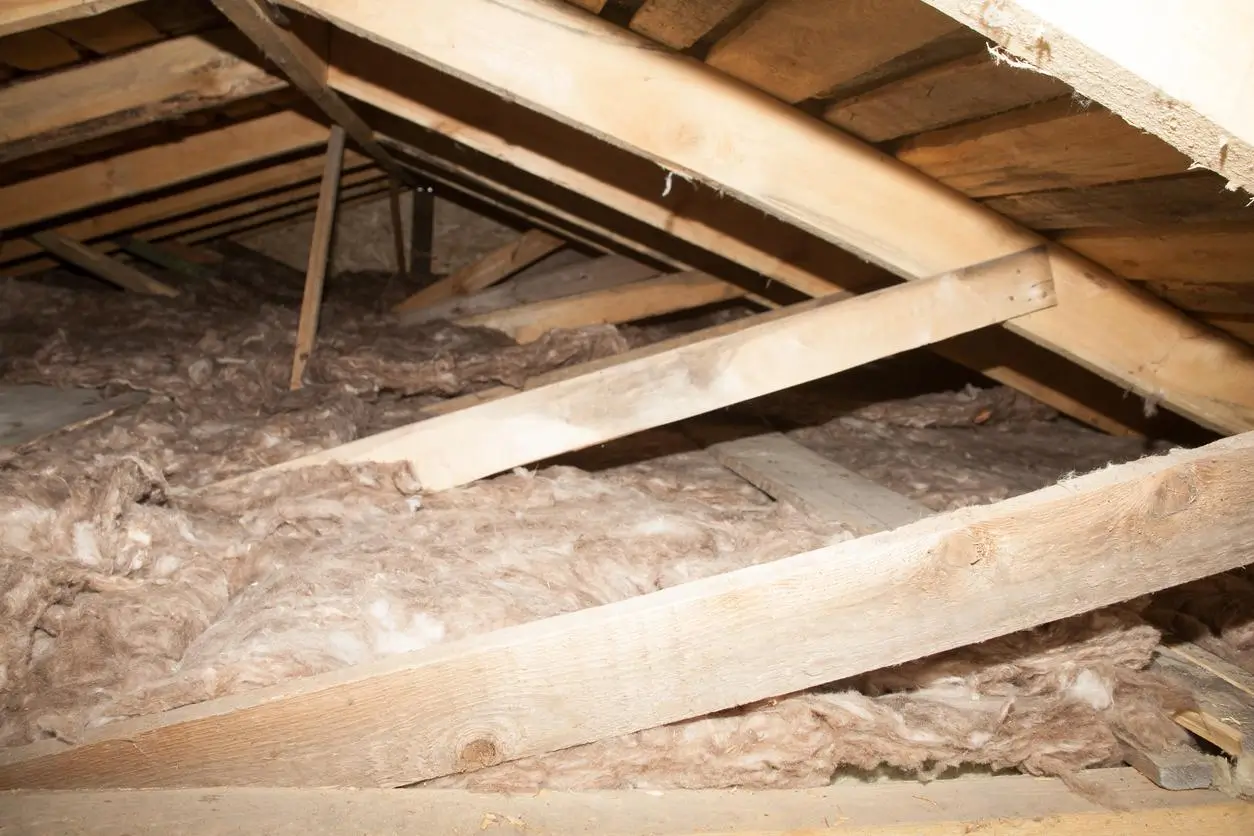
Loft insulation top-ups in Brentwood shouldn’t be treated as a quick “add more and leave” job. Before any additional material goes down, we assess the condition of what’s already there. That means physically measuring existing depth, identifying cold spots, checking for compressed areas and ensuring airflow channels at the eaves remain open.
Many older Brentwood properties — particularly 1930s semis and early detached homes — were insulated to around 100mm or 150mm years ago. While that may have met standards at the time, it falls well below the modern 270mm guidance. A properly installed loft insulation top-up increases depth evenly across the loft floor rather than just laying extra roll in visible areas.
We also check for uneven layering, gaps around pipework, recessed lighting and loft hatches. Small inconsistencies are often where heat escapes. By correcting these during the top-up process, the upgrade performs properly long term instead of simply increasing thickness without improving performance.
The aim isn’t just “more insulation” — it’s correctly upgraded insulation that maintains ventilation, prevents compression and works with your property’s layout.
Around a quarter of household heat can escape through the roof in under-insulated homes. Increasing loft insulation depth helps stabilise internal temperatures, meaning rooms feel warmer for longer once heated. This is particularly noticeable in Brentwood properties with older roof structures where heat rises quickly through insufficient insulation.
A correctly installed loft insulation top-up reduces the strain on your heating system. By bringing insulation closer to modern depth standards, your home retains warmth more efficiently. Over time this can support improved EPC performance and reduce unnecessary energy usage during colder months.
If your existing insulation is dry and structurally sound, a top-up is often far more practical than full removal. You improve thermal performance without the disruption of stripping everything back. For many Brentwood homeowners, this makes loft insulation top-ups one of the most sensible energy-efficiency upgrades available.
Every Brentwood property is slightly different. Some have shallow joists limiting depth. Others have uneven historic insulation that needs levelling before adding new material. We approach each loft space individually rather than applying a one-size-fits-all method.
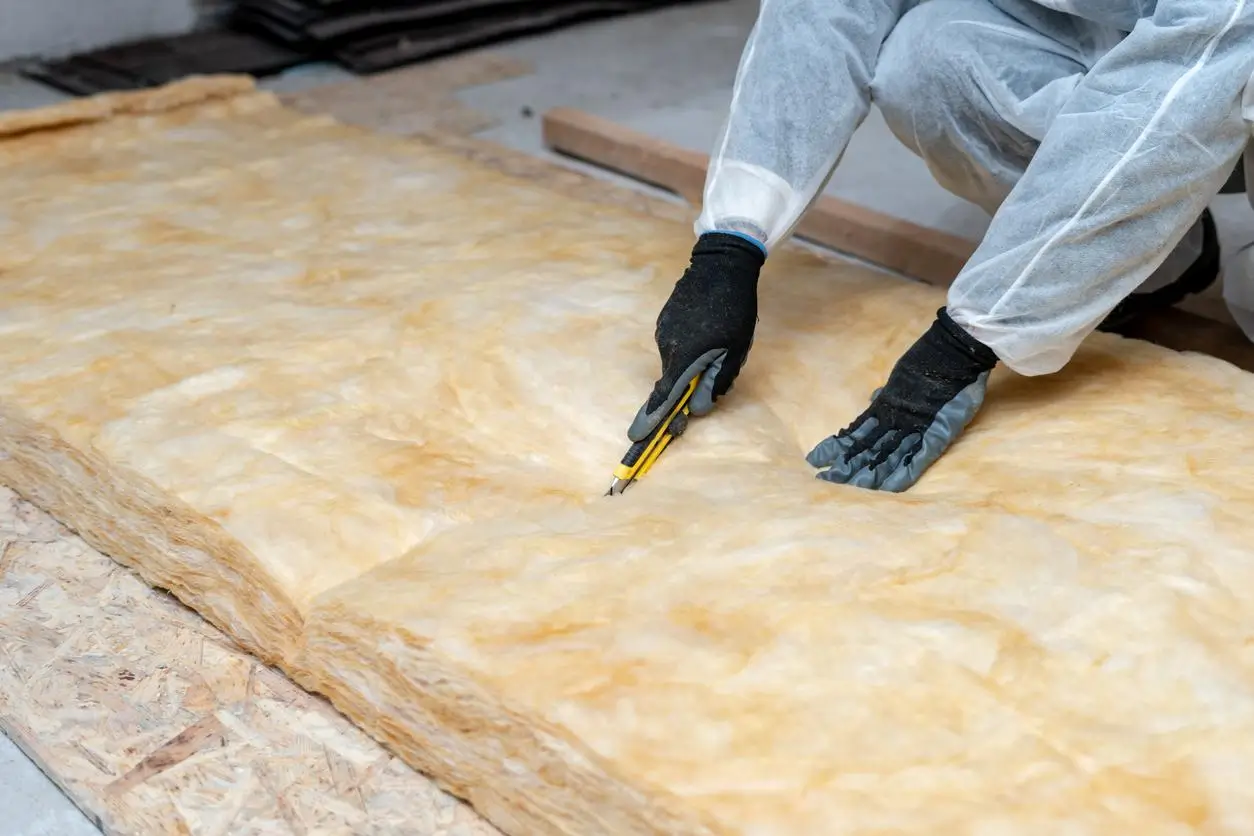
During installation, insulation is laid evenly between and across joists to achieve consistent depth. Particular care is taken around eaves, loft hatches and tight corners where airflow must remain protected. We avoid compressing existing insulation as this reduces effectiveness.
Whether it’s a property in CM13, CM14 or CM15, the focus remains the same — consistent coverage, preserved ventilation and a finished result that performs quietly in the background year after year.
A loft insulation top-up done properly isn’t noticeable day to day — except in the way your home retains warmth more efficiently during winter.
A loft insulation top-up is ideal when the existing insulation is dry, stable and simply below modern depth standards. Many Brentwood homes still have older 100mm–150mm layers installed years ago. In these cases, increasing depth to around 270mm can significantly improve thermal retention without the need for full removal.
However, a top-up is not always appropriate. If insulation is damp, heavily compressed, contaminated, or poorly fitted around joists and services, adding new material on top can reduce effectiveness rather than improve it. That’s why an initial inspection matters. The goal is performance — not just thickness.
Even when insulation exists, heat can escape through gaps around pipework, recessed lighting, loft hatches and uneven layering. These are known as thermal weak points. During a loft insulation top-up, attention to these details makes the difference between average improvement and meaningful long-term efficiency gains.
Proper layering also avoids compression. Insulation works by trapping air within its fibres. If it is compacted under boards or poorly laid material, that trapped air reduces — lowering performance. A correctly installed top-up maintains loft airflow while increasing depth evenly.
Brentwood properties, particularly older homes, rely on natural airflow at the eaves to prevent condensation build-up. A professional loft insulation top-up ensures ventilation paths remain clear. Insulation should never block airflow channels or soffit vents.
When depth, airflow and condition are all assessed correctly, a loft insulation top-up becomes a controlled upgrade — not simply additional material laid in the roof space.
If your insulation measures below 270mm but is otherwise dry and in good condition, a top-up is often the most suitable option.
You can measure insulation depth by gently lifting the surface and checking from the top of the ceiling joists to the top of the insulation layer. Modern guidance recommends around 270mm for effective performance. If you’re seeing joists clearly above the insulation or measuring significantly below that depth, your loft may benefit from a professional assessment.
If existing insulation is damaged, damp or poorly fitted, replacement may be necessary. But where materials are stable, topping up is typically more efficient and cost-effective.
Most standard Brentwood loft top-ups can be completed within a single day depending on loft size and accessibility.